What is TPO Roofing?
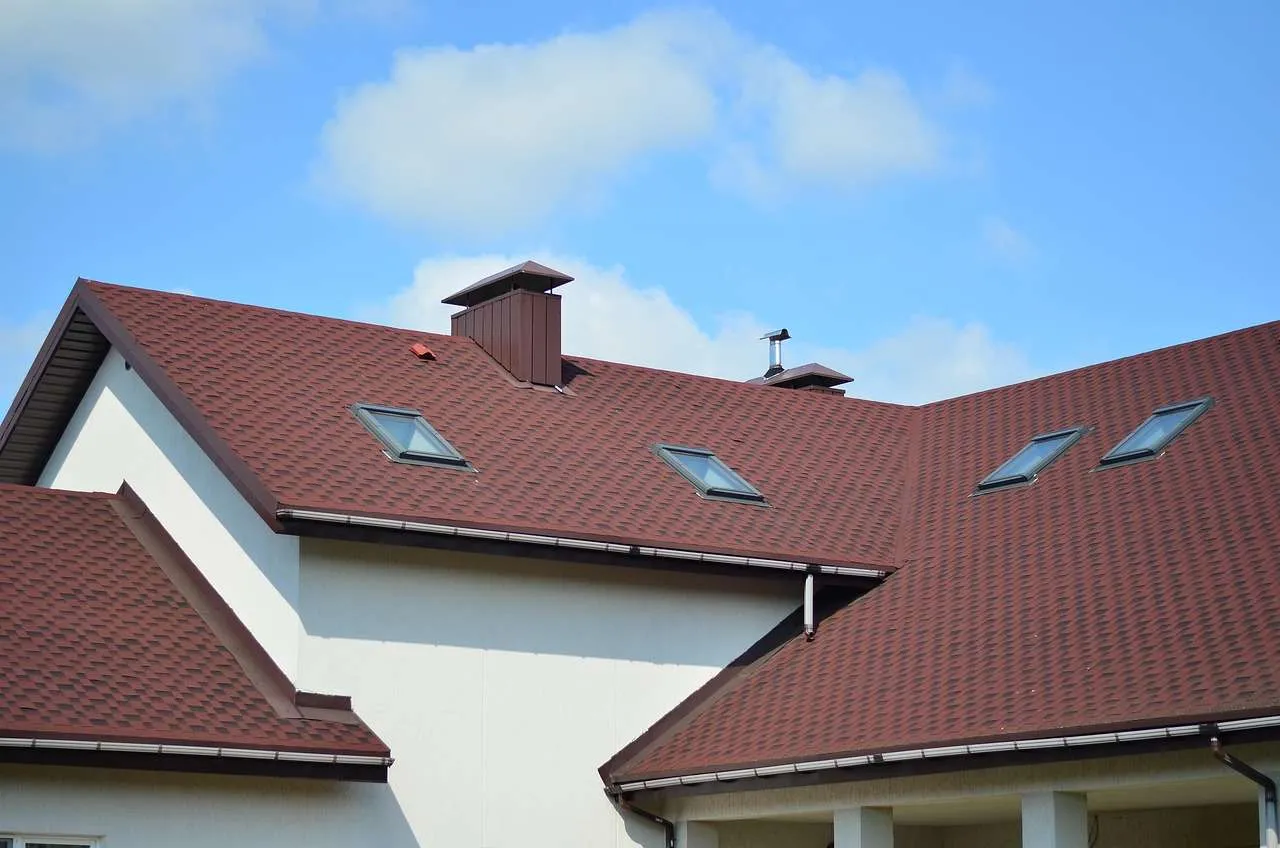
TPO roofing, or Thermoplastic Olefin roofing, is a popular single-ply roofing membrane widely used in commercial and residential buildings. It consists of a blend of polypropylene and ethylene-propylene rubber, resulting in a highly durable, flexible, and energy-efficient roofing solution. Known for its white reflective surface, TPO roofing helps reduce energy costs by reflecting ultraviolet rays and heat.
Benefits of TPO Roofing
Energy Efficiency
One of the primary benefits of TPO roofing is its ability to reflect solar heat, keeping buildings cooler during hot weather. This reflective property reduces the demand for air conditioning and lowers energy bills over time, making it an eco-friendly choice.
Durability and Weather Resistance
TPO roofing membranes are resistant to tears, punctures, and impacts, providing long-lasting protection against harsh weather conditions such as heavy rain, hail, and strong winds. Additionally, TPO has excellent chemical resistance, which minimizes damage from pollutants or maintenance chemicals.
Cost-Effectiveness
Compared to other roofing materials like PVC or EPDM, TPO tends to be more affordable both upfront and over the roof’s lifespan. Its relatively simple installation process also reduces labor costs.
Environmental Benefits
TPO roofing membranes are 100% recyclable, contributing to reduced landfill waste. Its reflective surface also helps reduce the urban heat island effect in densely populated areas.
Installation Process of TPO Roofing
Proper installation is crucial to the lifespan and performance of a TPO roofing system. Certified roofing professionals typically perform the following steps:
- Inspection and Preparation: Assess the existing roof deck and ensure it is clean, dry, and free of debris.
- Insulation Layer: Install a layer of insulation if needed to improve thermal performance.
- TPO Membrane Placement: Roll out the TPO membrane and cut it to fit the roof dimensions.
- Adhering or Mechanically Fastening: The membrane is either fully adhered with adhesive materials or mechanically fastened with screws and plates depending on the roof specification.
- Seam Welding: Overlapping seams are heat-welded using specialized equipment to create waterproof seals.
- Final Inspection: Ensure all seams, edges, and penetrations are properly sealed and secured.
Maintenance Tips for Long-Lasting TPO Roofing
Maintaining your TPO roofing system can extend its usable life and performance. Here are some maintenance tips:
- Regular Inspections: Conduct bi-annual roof inspections, especially after severe weather.
- Clean the Surface: Remove dirt, debris, and organic materials regularly to prevent growth of mold or algae.
- Address Repairs Promptly: Fix minor tears or punctures quickly using compatible patch materials.
- Avoid Sharp Objects: Minimize foot traffic or ensure protective pathways to prevent damage.
Comparison of TPO Roofing with Other Membrane Types
| Feature | TPO Roofing | EPDM Roofing | PVC Roofing |
|---|---|---|---|
| Material | Thermoplastic Olefin | Ethylene Propylene Diene Monomer (rubber) | Polyvinyl Chloride |
| Cost | Moderate | Lower | Higher |
| Durability | Good resistance to UV & chemicals | Excellent weather resistance | Very durable with strong chemical resistance |
| Energy Efficiency | Excellent (reflective) | Moderate | Excellent (reflective) |
| Seam Method | Heat welded | Adhesive or mechanical | Heat welded |
Is TPO Roofing Right for Your Building?
TPO roofing is highly suitable for commercial buildings and some residential flat or low-slope roofs. It is best chosen when energy efficiency and cost-effectiveness are priorities. Due to its flexibility and durability, TPO roofing performs well in varied climates but requires professional installation to maximize longevity.
Summary
In conclusion, TPO roofing offers a balance of affordability, durability, and energy efficiency, making it an increasingly popular choice for modern roofing solutions. Its reflective surface reduces cooling costs, while its chemical and weather resistance extend roof life substantially. Correct installation and regular maintenance are essential to reap maximum benefits. When compared with EPDM and PVC membranes, TPO provides unique strengths, particularly in environmental impact and ease of installation. For building owners seeking a reliable, sustainable roofing system, TPO roofing is a smart investment that meets high EEAT standards and aligns with long-term roofing goals.